
Skip to main content

What happened?

A mulcher unit was clearing a right-of-way during pipeline construction when an electrical issue caused a breakdown. A mechanic was called to the work site and diagnosed the problem. 

Once the electrical issue was identified and repaired, the mechanic helped the mulcher operator replace worn teeth on the unit so it could return to service. The work was conducted in cold conditions.

The operator and mechanic successfully replaced over 30 teeth using a hammer and chisel to pry the worn teeth loose.

The workers continued removing worn teeth until the mechanic was struck in the eye with a piece of metal debris.

The operator provided immediate first aid and the mechanic was flown to a hospital for specialized emergency care.

 
Image
Asset

Completing this task with a hammer and chisel was considered routine and effective, and the workers believed they identified all hazards and applied effective controls before starting work.

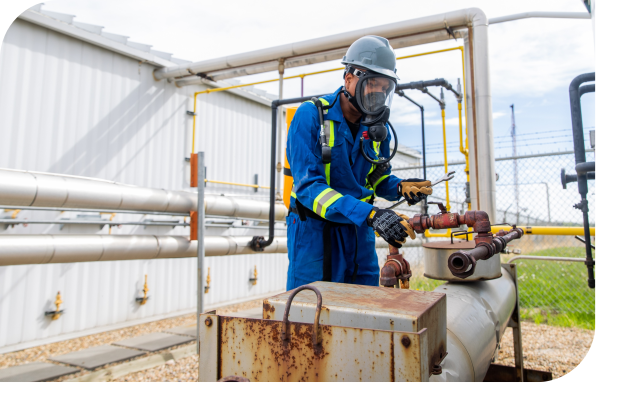
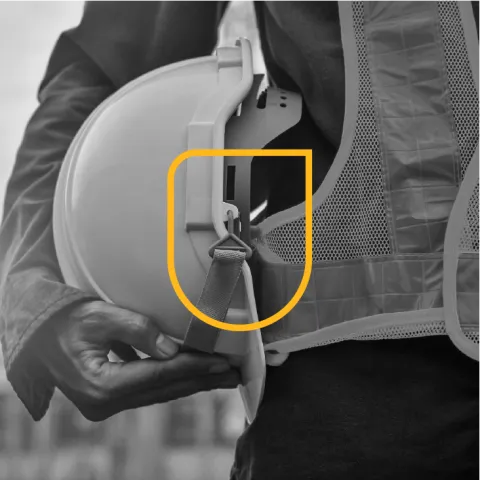
The use of striking tools, like a hammer and chisel, can create flying debris. While this hazard was identified, the mechanic wore safety glasses with no face shield as the task had been successfully completed without one many times in the past.

The company’s safe work procedure and Job Safety Analysis (JSA) required both safety glasses and a face shield be worn when removing mulcher unit teeth, but neither were reviewed before work started.

 
Image
Card with Shadow1.svg

File Download

Submit your safety alert

Help industry by sharing lessons learned from an incident.

Disclaimer

Use of this document or any information contained herein is at the user’s sole risk. ESC makes no representations and assumes no liability. For further information on these restrictions, go to EnergySafetyCanada.com/Legal

Copyright/Right to Reproduce

Copyright for this document is held by Energy Safety Canada, 2025. All rights reserved. Energy Safety Canada encourages the copying, reproduction
and distribution of this document to promote health and safety in the workplace, if Energy Safety Canada is acknowledged. However, no part of this
publication may be copied, reproduced or distributed for profit or other commercial enterprise, nor may any part be incorporated into any other
publication, without written permission of Energy Safety Canada.

Share: